
For pain and swelling, an anti-inflammatory medication can help.
Sports Medicine in Rexburg
Our sports medicine team in Rexburg treats injuries in children and adults, whether they happen on the field or during everyday activity. They can range from mild sprains and strains to more serious tears and dislocations, and our physiatrists offer many treatment options to help you heal, starting with nonsurgical care whenever possible.
At Rocky Mountain Spine & Sport’s Rexburg office on Walker Drive, we care for athletes of all ages. We take the time to understand your injury and your goals, then create a plan to rebuild your strength and mobility so you can get back to doing what you love.
Acute and Chronic Sports Injuries
Sports injuries fall into these two types.
Acute injuries result from a sudden traumatic event, such as a fall or collision. Most sprains, tears, and dislocations happen this way.
Chronic injuries develop over time from repetitive motions and overuse. Tendinitis, bursitis, and shin splints are common chronic injuries, and they can worsen without proper treatment.
We identify which type of injury you have so you get the right treatment and recovery plan.
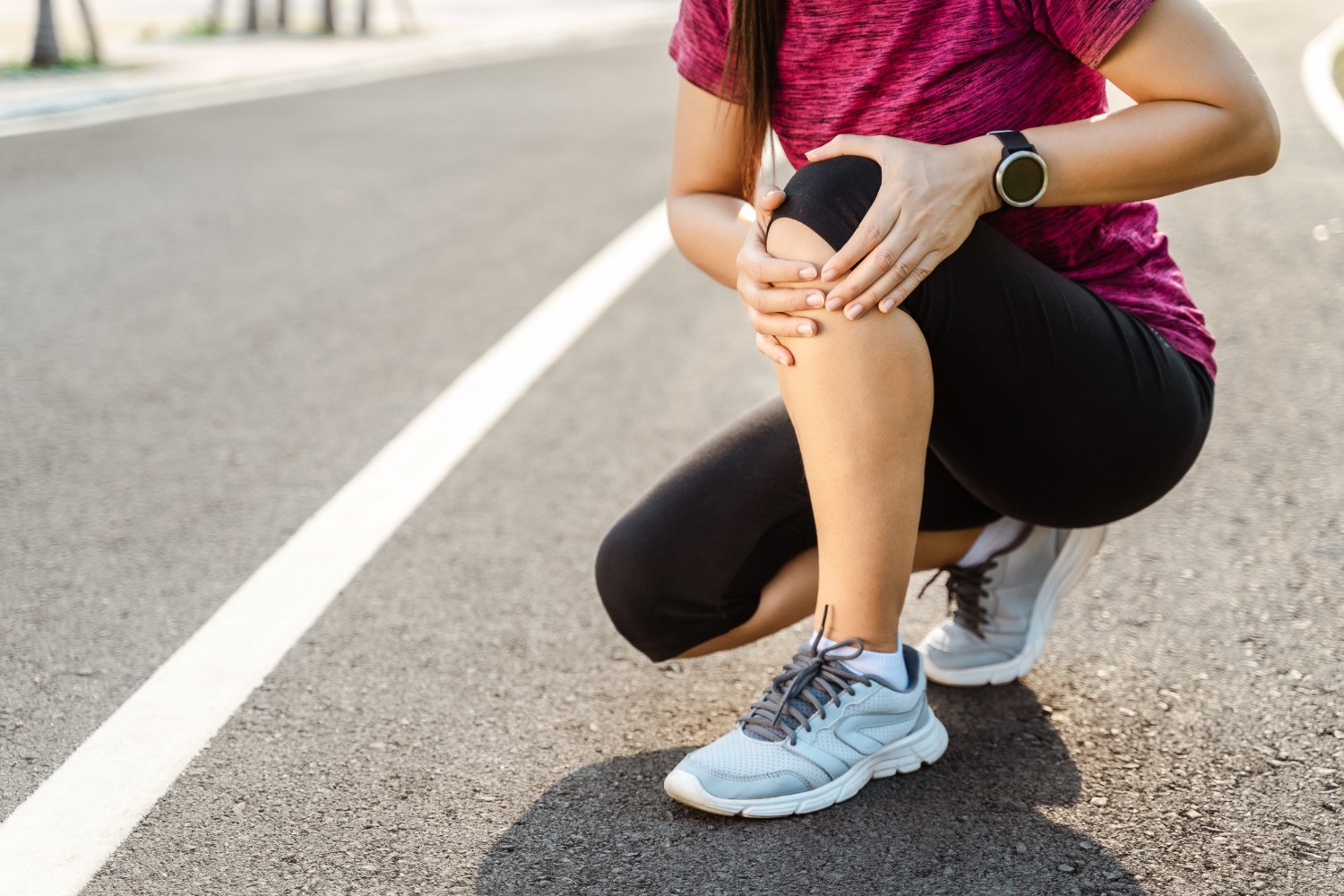
Activities That Often Lead to Injury
We often treat sports injuries from these activities:
Running can lead to shin splints and muscle strains.
Biking can cause a sudden injury from a fall, while long rides can strain the knees.
Weightlifting with poor form can strain or tear muscles, tendons, and ligaments.
Impact sports, such as football and basketball, often cause sprains and dislocations.
Common Causes
Most injuries result from these common causes:
Overuse or skipping rest days, which puts repeated stress on the same muscles and joints
Poor technique or form during exercise
Accidents, like a hard fall or collision
Skipping a warm-up, which leaves muscles tight and more likely to tear
Treatment Options for Athletes
Depending on the type and severity of your injury, treatment may include:
Our physical therapy team guides you through exercises that help you regain movement and rebuild the muscles around your injury.
We offer joint injections, such as corticosteroid shots, to reduce inflammation in a painful joint or tendon.
Our physiatrists use platelet-rich plasma (PRP) and stem cell therapy to support your body’s natural healing.
Some injuries need surgical repair. If yours does, we’ll be here to guide your recovery and rehab afterward.
Injuries Treated at Rocky Mountain Spine & Sport
Whether your injury happened suddenly or developed over time, our Rexburg team can help with:
Sprains and strains: A sprain happens when a ligament is stretched or torn, while a strain affects a muscle or tendon.
Tendonitis and tendon tears: Repeating the same motion can irritate a tendon over time, and a sudden, strong movement can cause it to tear.
Torn ligaments: Turning quickly or landing awkwardly can tear the ligaments that keep your knees stable.
Cartilage injuries: If the cartilage that cushions your joints gets damaged, your joint may feel stiff or swollen, and you may notice a catching feeling when you move.
Lingering muscle pain or swelling: Some swelling after a hard workout is normal, but swelling that lingers or comes with sharp pain needs attention.
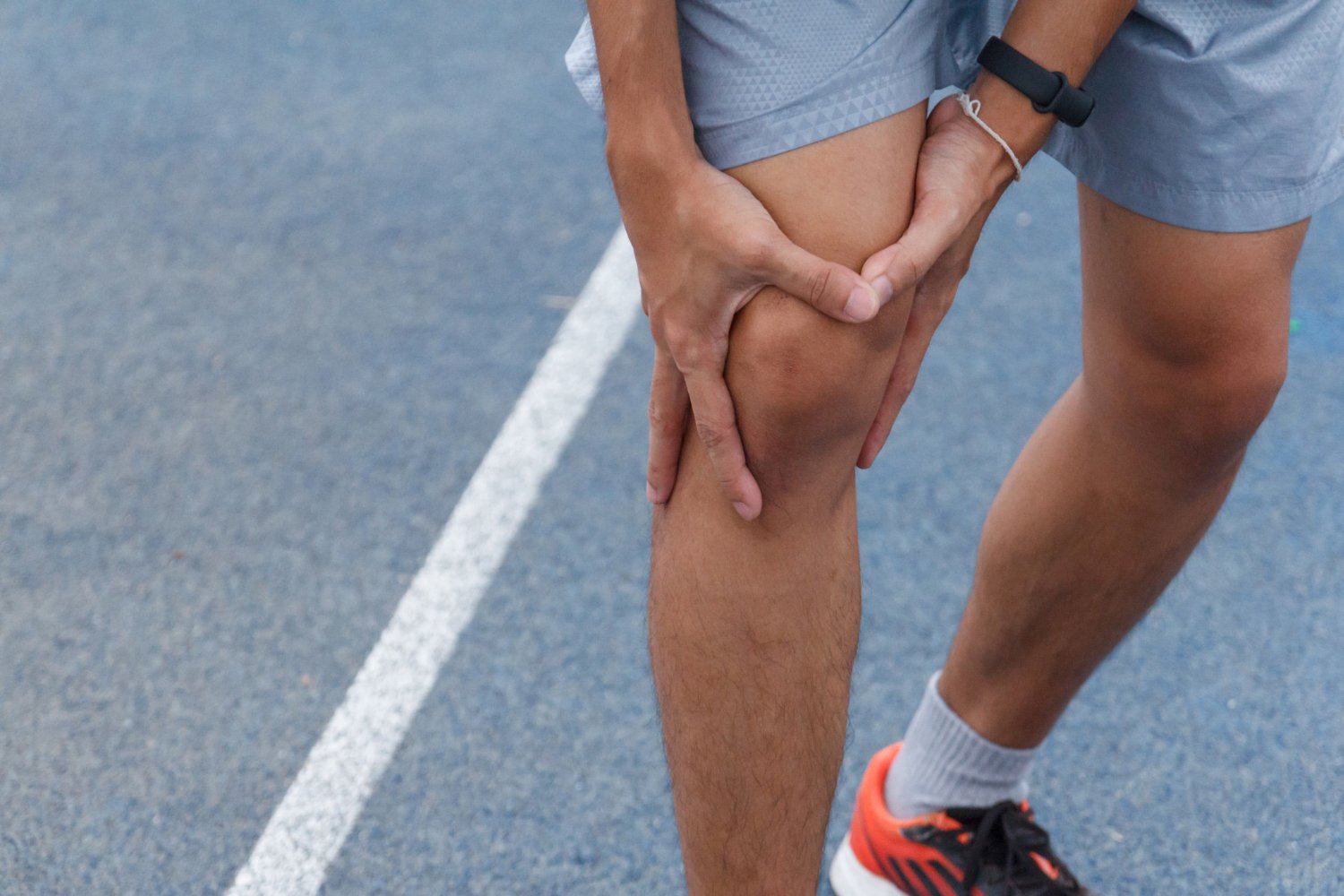
Ways to Prevent a Sports Injury
These 10 habits can help prevent sports injuries and keep you active.
- Start your workout with a warm-up. A few minutes of light movement will help prepare your muscles and joints for exercise.
- Stay hydrated so your muscles can work and recover properly.
- Choose shoes that fit well and give your feet the support they need for your sport.
- Use equipment designed for your sport, and check that it’s in good condition before you use it.
- Practice proper form, whether you’re out for a morning run or lifting weights. Good technique helps reduce strain on your muscles and joints.
- Build strength in your core and the muscles around your joints to help keep your body stable during activity.
- Give your muscles time to recover by working different muscle groups on different days.
- Listen to your body. If something hurts, stop and give it time to heal before getting back to your routine.
- Plan regular days off to give your body time to repair.
- Finish your workout with a cool-down to help your muscles relax and recover.
Learn More About Sports Medicine in Rexburg
Rocky Mountain Spine & Sport specializes in diagnosing and treating sports injuries in Rexburg, ID. Whether you’re dealing with a recent injury or pain that won’t go away, we’re here to help you heal.
Contact us to schedule an appointment.