
Physical therapy can help you rebuild strength, range of motion, and flexibility.
Sports Medicine in Idaho Falls
Sports injuries happen frequently for both kids and adults during organized and recreational sports. They can range from minor injuries, such as strains and sprains, to more serious ones, such as dislocations and tears. These injuries can interrupt your daily life and often worsen if they are not treated promptly.
Our team at Rocky Mountain Spine & Sport offers sports medicine in Idaho Falls to help patients heal so that they can return to the sports they love. We hope to help others rebuild strength, mobility, and confidence through our comprehensive treatment plans and services.
Potential Causes
Sports injuries mainly stem from accidents or issues related to equipment, overuse, or technique.
Common causes for sports injuries are as follows:
Accidents: When you fall, collide with someone, or make a sudden improper movement, it can lead to a sports injury.
Equipment: Using inadequate equipment, such as the wrong shoes or helmet, may cause you to get hurt during a sport.
Overuse: Overexertion or repetitive motions may lead to extra stress being placed on your muscles, bones, and tendons.
Technique: Another common cause of sports injuries is completing a movement with poor form.
Certain high-risk activities such as running, contact sports, biking, and weightlifting may also contribute to the likelihood that a sports injury occurs.
The Two Kinds of Sports Injuries
Two primary forms of sports injuries exist: acute injuries and chronic injuries.
Acute injuries happen because of a sudden traumatic event like falling, colliding with someone, or accidentally twisting part of your body. Sprains, dislocations, and tears are common acute injuries.
Chronic injuries, on the other hand, are injuries that develop over time instead of happening instantaneously. Examples of these include bursitis, tendinitis, and shin splints.
Sport Injury Treatment Options
At Rocky Mountain Spine & Sport, we offer a range of treatment options for sports injuries and focus on nonsurgical treatments whenever we can.
Pain relievers and anti-inflammatory medications might be the key to managing symptoms and finding relief.
Injections and corticosteroids can help with tissue healing and reducing inflammation.
We also offer regenerative options, such as stem cell therapy and platelet-rich plasma (PRP).
In more serious cases, surgery might be required. Our team offers rehabilitation services after surgery to help make the recovery process smooth.
Injuries Treated at Rocky Mountain Spine & Sport
We treat the following sports injuries:
- Sprains and strains: These are some of the most commonly occurring sports injuries. They involve damage to your tendons, muscles, or ligaments.
- Tendinitis and tendon tears: Overuse can lead to tendinitis, and acute trauma can cause tears to happen.
- Ligament injuries: When you make a sudden stop or change of direction, such as planting your foot wrong during basketball, it can cause a ligament injury.
- Cartilage injuries: Trauma or overuse may lead to cartilage damage. This can majorly affect joint mobility.
- Swollen muscles: Sometimes, muscle swelling can occur after injury or intense physical activity, and treatment is necessary to prevent long-term issues down the road.
If you are facing a more severe injury, our team may refer you to a specialist in order to ensure you receive the treatment you need.
Can You Prevent a Sports Injury?
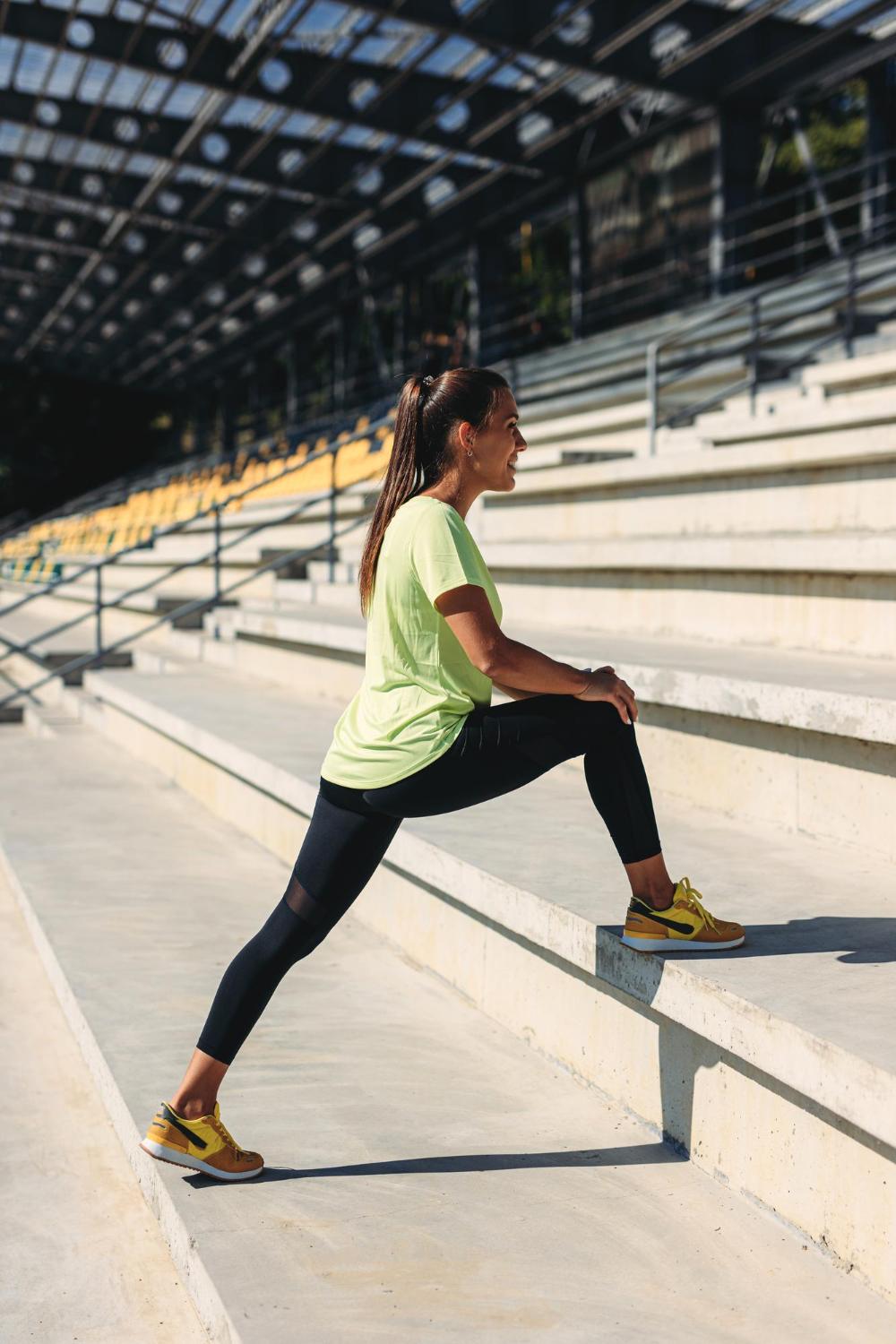
Though sports injuries can come as a surprise, there are things you can do to stay safe and help to prevent them.
Here are some tips for keeping yourself safe:
- Make sure to warm up first so that you can prepare your joints and muscles for physical activity.
- Always hydrate, as this helps with proper muscle function.
- Choose shoes that offer adequate support and fit your feet well.
- Use the specific equipment that your sport requires and ensure that it’s in a suitable condition.
- Take time to learn and practice proper form in order to reduce strain on your body.
- Build strength, especially in your core and other stabilizing muscles.
- Don’t overwork muscle groups and make sure you give your body the time it needs to recover.
- If you feel pain or discomfort, take it seriously and let your body recover before resuming physical activity.
- Give yourself rest days regularly.
- End workouts with a cool down to prevent stiffness and aid with mobility.
Find Out More About Our Sports Medicine in Idaho Falls
Our sports medicine in Idaho Falls is designed to help you get back to your healthiest self through non-surgical options whenever possible. We also offer sports medicine in Rexburg. Contact us today for more information.