
What to Expect at Your First Acupuncture Visit
Original Publication Date: October 2015
Updated October 2026
Your first acupuncture visit starts with a conversation, not needles. And when we do get started, most people are surprised by how relaxing the process can be.
Explore the details of who acupuncture tends to help, what typically happens during a session, and what you can expect over a course of care.
What Is Medical Acupuncture?
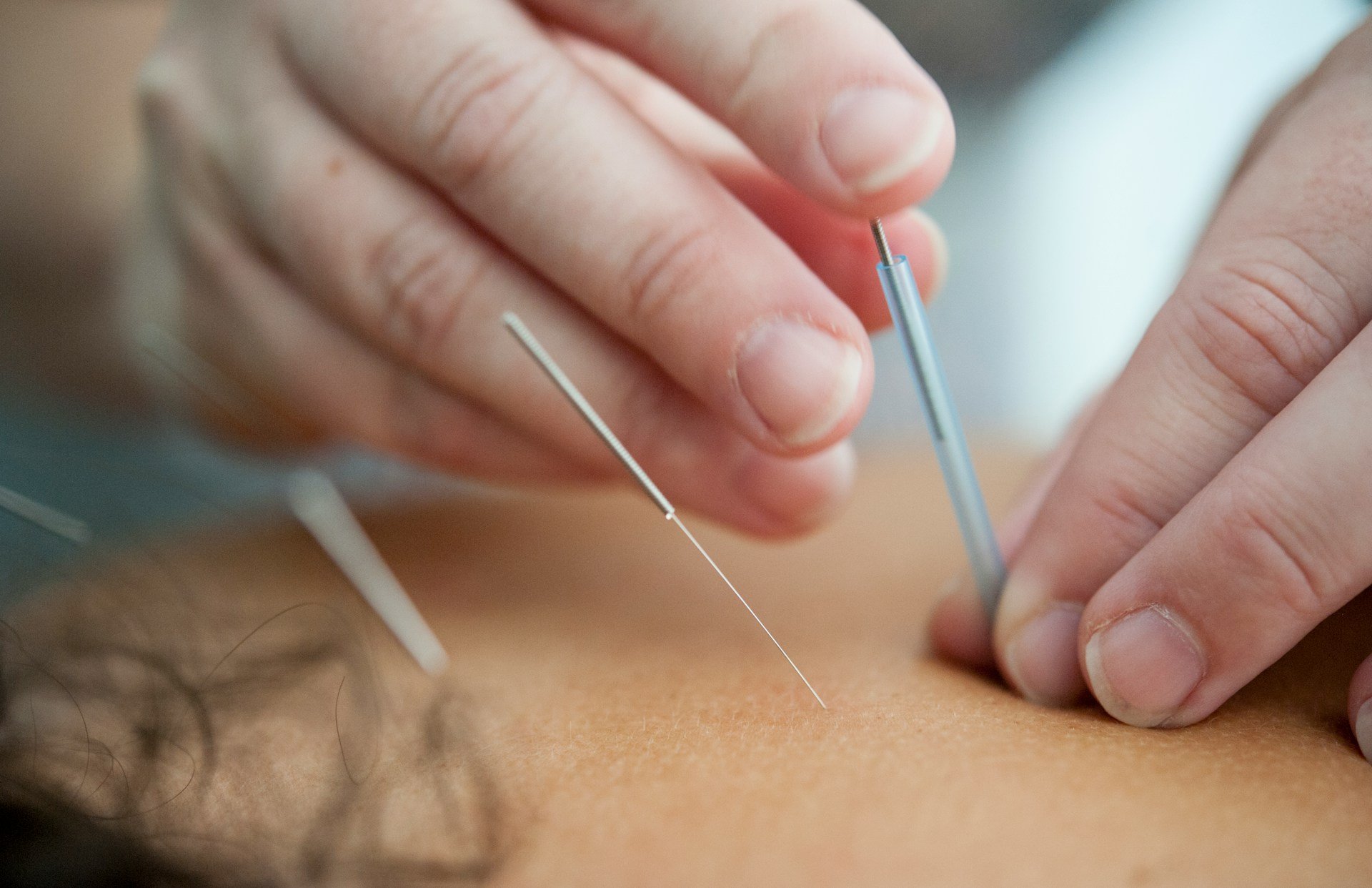
Acupuncture uses thin needles placed at set places on your body. It comes from traditional Chinese medicine and has been practiced for thousands of years.
It is a complementary medical treatment that entails the stimulation of specific anatomical locations. By pricking the skin or tissue with needles, acupuncture is used to treat various emotional, mental, and physical health conditions.
The National Center for Complementary and Integrative Health notes that part of the benefit may come from the treatment experience itself, such as relaxation and your relationship with your provider.
At Rocky Mountain Spine & Sport, we practice medical acupuncture. Your provider will take time to learn your diagnosis, imaging, and other treatments so that acupuncture can fit into your overall plan instead of standing alone.
Who Can Acupuncture Help?
Acupuncture is used most often for pain. Research support is strongest for neck pain, back pain, knee pain from osteoarthritis, and headaches, including migraines. The American College of Physicians guideline on low back pain lists acupuncture as one of the non-drug treatments to try first for chronic pain in the lower back.
Acupuncture works well alongside other care. Many patients combine it with physical therapy, exercise, or injections. It can be a good option if you want to limit pain medication. It may also help when other treatments haven’t brought enough relief.
Is Acupuncture Right for You?
Acupuncture is not right for everyone. Tell your provider if you:
- Take blood thinners
- Have a bleeding disorder
- Have a pacemaker or another implanted device
- Are pregnant or think you might be
- Have a skin infection where the needles would go
Your provider will explain what any of these mean for your care.
Acupuncture is not a replacement for medical care. If you have a new or worsening health problem, have it checked first. Tell all of your providers about any complementary treatments you use, so your care can stay coordinated.
What Happens at Your First Visit?
Your first appointment is mostly about getting to know you.
- Health history: Your provider reviews your symptoms, past injuries, imaging, and the treatments you have already tried.
- Exam: We look at the areas that hurt and check how you move.
- Treatment plan: If acupuncture is a good fit, we explain the plan. If it isn’t, we talk through other options.
How to Prepare
There is no special preparation. Wear loose, comfortable clothing so we can reach the treatment areas easily. Bring a list of your current medications.
How Does a Typical Acupuncture Session Work?
You lie on a padded table. Your provider places the needles, and then you rest.
- Needle placement: The number of needles depends on what we are treating. The needles are very thin, much thinner than the needle used for a shot or a blood draw. Many people barely feel them go in. You may notice a dull ache, heaviness, or tingling once a needle is in place. This is completely normal.
- Resting time: The needles stay in for a short time while you lie still. Many people find this part relaxing, and some fall asleep.
- Gentle stimulation: Your provider may gently turn the needles or add mild heat. Some sessions use a small electrical current through the needles. This is called electroacupuncture.
- Removal: Taking the needles out is usually painless.
Tell your provider if something doesn’t feel right. If acupuncture isn’t working for you or feels uncomfortable, we stop. We never push a treatment.
Does Acupuncture Hurt? What Are the Side Effects?
Most people feel little or no pain. Afterward, some people tend to feel relaxed, and others feel energized.
Side effects are usually minor. Common side effects include soreness, small bruises, or a drop of blood where a needle went in. Serious problems are rare when a trained provider uses sterile needles. If soreness lingers or anything worries you, reach out to your provider.
How Many Acupuncture Sessions Will You Need?
It depends on your condition and how long you have had it. Acupuncture usually works best as a series of visits, not a single session. Some people tend to feel better after the first few visits. Others need more time before they notice a change.
Your provider will suggest a schedule, check your progress, and adjust the plan as needed.
If your symptoms don’t start to improve after a fair trial, acupuncture may not be the right fit. We will talk with you about other options.
Does Insurance Cover Acupuncture?
Coverage may vary. While some plans will cover acupuncture for specific conditions, others might not. Reach out to your insurance company before your first visit to check on your coverage. Good questions to ask include:
- Is acupuncture covered under my plan?
- Which conditions are covered?
- Is there a visit limit?
- Do I need a referral first?
Find Out if Acupuncture Can Help You
Our team looks at the whole picture and helps you decide if acupuncture is something that belongs in your care.
Learn more about acupuncture at Rocky Mountain Spine & Sport, or book a visit at our Idaho Falls or Rexburg clinic today.