
Laser Spine Surgery: What to Know Before You Decide
Original Publication Date: December 2017
Updated October 2026
It’s natural to want a fast fix for neck and back pain. Many people hear about laser spine surgery and wonder whether it could help.
It is a fair question, especially after months of pain. However, the word "laser" refers to a tool a surgeon may use during a procedure. It does not change the basic goals of spine surgery, and the questions that matter most are the same ones you would ask about any spine procedure.
Our team at Rocky Mountain Spine & Sport is made up of physiatrists (doctors of physical medicine and rehabilitation). We'd love to help you understand where laser procedures fit and why finding the true source of your pain comes first.
What Is Laser Spine Surgery?
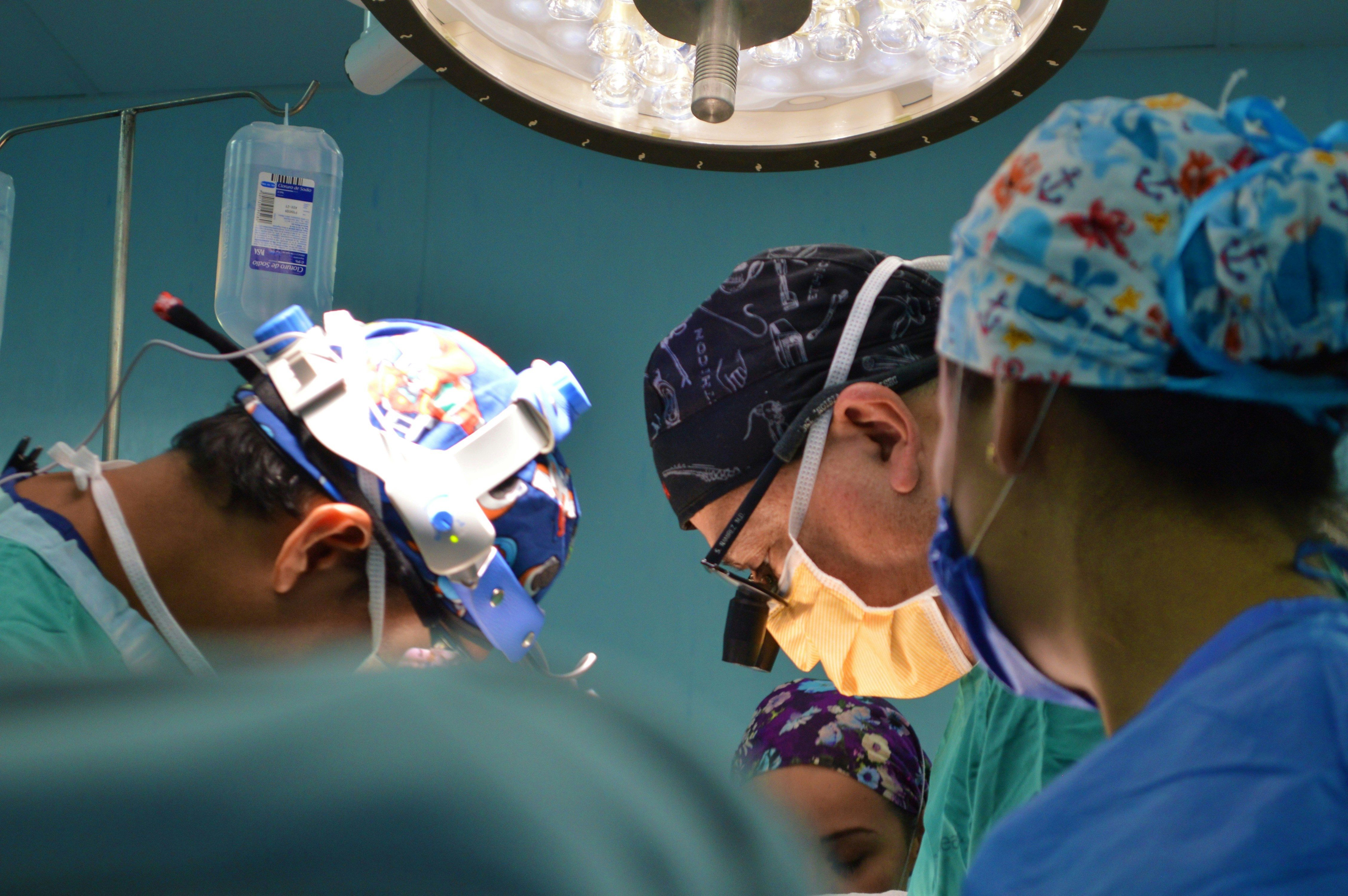
Laser spine surgery usually describes minimally invasive spine surgery in which the surgeon uses a laser for part of the work. In this approach, the surgeon works through small incisions with specialized instruments, such as tubular retractors, operating microscopes, and small cameras called endoscopes. It disturbs fewer of the muscles around the spine than traditional open surgery, and many surgeons perform it without a laser at all.
The procedures are the same whether or not a laser is involved. Common examples include:
- Discectomy: Removal of the portion of a disc that is pressing on a nerve.
- Laminectomy: Removal of part of the bony arch of a vertebra (the lamina) to create more room for the spinal nerves.
- Spinal fusion: Joining two or more vertebrae so they heal into a single solid bone, which can stabilize a painful segment.
In each case, the goal is to relieve pressure on the nerves or stabilize the spine. A laser, a scalpel, or another instrument is simply the tool used to get there.
Conditions These Procedures Are Used to Treat
Laser and other minimally invasive procedures are typically considered for disc and nerve problems. Common examples include:
- Degenerative disc disease: Age-related wear of the discs that cushion the vertebrae, which can lead to pain and stiffness.
- Herniated disc: The soft inner material of a disc pushes outward and presses on a nearby nerve, sometimes causing leg pain, numbness, or weakness.
- Sciatica: Pain that travels along the sciatic nerve from the lower back into the buttock and leg, often caused by a herniated disc.
- Spinal stenosis: A narrowing of the spinal canal that can squeeze the spinal cord or nerves.
Each of these can be painful and disruptive, especially when symptoms are exacerbated by sitting, bending, or lifting. Still, a diagnosis alone does not mean you need surgery. In fact, Johns Hopkins Medicine notes that most people who have back pain will not need surgery at all.
Why Conservative Care Usually Comes First
Spine surgery is generally recommended only after a period of nonsurgical treatment, such as medication and physical therapy, has not relieved your symptoms. Because of this, our team focuses on pinpointing what is causing your pain and treating it with the least invasive option that can help.
Several of the spine treatment options we offer are described below.
Physical Therapy
Physical therapy is far more than general exercise. A therapist builds a plan around your specific movement patterns, weak areas, and goals.
Even very active people, from trail runners to ranch hands, can have small weaknesses that contribute to pain. A tailored program can address those gaps.
Radiofrequency Ablation
For pain that comes from the facet joints (the small joints that link the vertebrae together), radiofrequency ablation may offer longer-lasting relief than an injection alone. A facet injection or medial branch block is done first. Then, radiofrequency energy is used to heat the nerves that carry pain signals from those joints.
Patients are encouraged to rest for a few days afterward and follow up with physical therapy that includes a home exercise program.
Spinal Injections
Depending on your symptoms, we may recommend epidural steroid injections, facet injections, medial branch blocks, or sacroiliac (SI) joint injections. Some help calm inflammation around irritated nerves or joints, while others help confirm exactly which structure is causing pain.
We also offer acupuncture, regenerative injections, and the Intracept procedure for a certain type of chronic low back pain. You can learn more about these in our post on common causes of back pain.
When Surgery May Be Worth Considering
Surgery still has an important place in spine care. It may be considered when:
- Imaging matches your symptoms: Your doctor can identify the exact source of pain, such as a herniated disc or spinal stenosis.
- Nonsurgical care has not helped: Your pain remains persistent despite a reasonable course of therapy, injections, or other treatments.
If you reach that point, our team can talk through surgical options with you and help you decide on next steps. Physical therapy is often part of recovery after surgery as well, helping strengthen the muscles that support your spine.
Questions to Ask Before Any Spine Surgery
Spine surgery is a significant decision, and it deserves careful thought. Whether or not a laser is involved, it is wise to learn as much about your surgeon and your procedure as you do about the technology.
Questions to bring to your appointment include:
- Alternatives: What other treatments could I try first, and what might happen if I wait?
- Cost: How much will I pay, and will my insurance cover the procedure?
- Goals: What specific problem will this procedure address, and what results are realistic for me?
- Recovery: How long might recovery take for someone with my health and activity level, and will I need physical therapy?
- Risks: Which complications are possible, such as infection, bleeding, or nerve damage?
Johns Hopkins Medicine recommends asking about your surgeon's qualifications and any alternatives before you agree to a procedure. Clear answers can help you feel confident in whatever you decide.
Local Spine Care in Idaho Falls and Rexburg
Living with ongoing back or neck pain is exhausting, and it can make even simple routines feel like a challenge. You deserve clear, honest answers before making any decision about surgery.
We will take the time to understand your symptoms, find the source of your pain, and build a treatment plan that fits your life. Reach out today to schedule a visit at our Idaho Falls or Rexburg location.