
How Extra Weight Causes Back Pain and Arthritis
Original Publication Date: January 2016
Updated October 2026
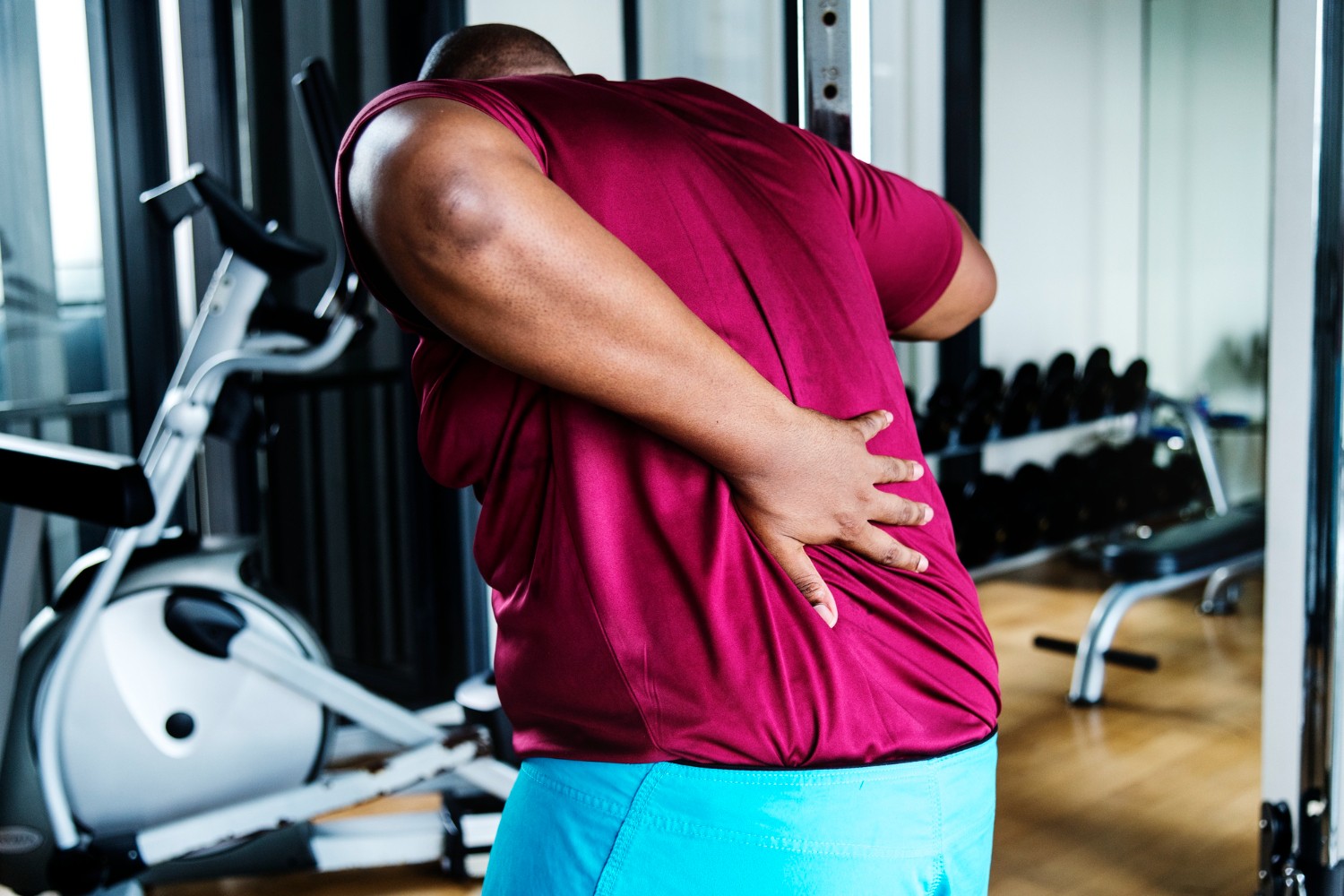
Carrying extra weight raises your risk of low back pain and arthritis. The good news is that losing even a small amount takes real pressure off your spine, hips, and knees.
Here is how weight affects your back and joints and what our team in Idaho Falls and Rexburg can do to help.
Is Back Pain Linked to Weight?
Yes. Low back pain is the leading cause of disability worldwide, and most people will have it at some point in their lives. The World Health Organization lists obesity as a risk factor, along with low physical activity, smoking, and physically demanding work.
Weight isn't the only cause of back pain. However, because it is one that many people can change, it is worth understanding.
How Does Extra Weight Strain the Spine?
Your lower back holds up most of your upper body. When you add pounds, especially around the belly, your center of gravity moves forward. To stay upright, the lower spine arches more than it should. Doctors call this exaggerated curve hyperlordosis.
That curve makes the muscles and ligaments along your spine work harder all day. They tire, tighten, and can spasm. Over time, the extra weight also wears on the structures inside the spine:
- Discs. The discs between your vertebrae act as cushions. Extra weight speeds up their wear, so they lose water and height sooner. This is called degenerative disc disease.
- Facet joints. When discs flatten, the small joints at the back of the spine take more pressure. Their cartilage wears down, and bone spurs can form.
- Nerves. A worn or bulging disc can press on a nearby nerve. That can cause pain, numbness, or tingling in the buttocks and legs, often called sciatica.
Worn discs don't always hurt. Many people have disc changes on an MRI and no pain at all. Still, extra weight adds stress to a spine that is already aging, and it can turn a small problem into a lasting one.
Active people also face a risk of back injury and back pain. Most workouts focus on the abs, chest, arms, and legs. The back muscles get far less attention, and active patients may have weaker back extension strength than they expect. Add extra weight, and the risk climbs.
Does Extra Weight Cause Arthritis?
Weight is one of the biggest arthritis risk factors many people can control, though underlying health conditions must always be considered. Age, genes, and old injuries matter too, but you can't change those.
About 1 in 5 U.S. adults has been diagnosed with arthritis. The rate is higher in adults with obesity: about 27.5%, compared with 15.5% of adults at a healthy weight.
Osteoarthritis
Osteoarthritis is the most common type. It is often called "wear and tear" arthritis. The cartilage that is supposed to cushion the ends of your bones breaks down, and the joint becomes stiff, swollen, and painful. In advanced cases, bone rubs on bone.
Your weight-bearing joints will feel this the most, including your hips, knees, and lower back. One study of adults with knee osteoarthritis found that each pound of weight lost took approximately 4 pounds of pressure off the knee with every step. If you lose 10 pounds, then each knee carries about 40 pounds less per step. With a mile of walking, that adds up to tens of thousands of pounds.
Weight affects joints that don't carry any weight, too. Fat tissue releases inflammatory chemicals into the bloodstream, and those chemicals reach every joint, including the small joints of the hands.
Rheumatoid arthritis
Rheumatoid arthritis (RA) works differently. It is an autoimmune disease, which means the immune system attacks the lining of the joints. It causes pain, swelling, and, over time, joint damage.
Smoking has long been the best-known RA risk factor you can change. Research now points to obesity as another. The same inflammatory chemicals from fat tissue appear to add fuel to the fire, and extra weight may make RA harder to control with medication.
Why Pain and Weight Gain Feed Each Other
Pain makes it hard to move. Moving less leads to weight gain, low energy, and poor sleep. That drags down mood and motivation, which makes moving even harder. Many patients describe exactly this cycle.
The way out is to break it at more than one point. First, ease the pain enough to move. Then build strength and lose weight at a pace you can keep.
How Much Weight Do You Need to Lose?
For many people, losing 5% to 10% of body weight brings a noticeable drop in pain and a gain in function, but each person’s situation will be different.
Start with goals you can measure:
- Try walking for just 10 minutes after you’ve eaten dinner.
- Swap one sugary drink a day for water.
- Add a vegetable to your lunch.
Steady progress will always beat a crash diet and help you find the long-term results you’re looking for.
How Rocky Mountain Spine & Sport Can Help
Our physiatrists can treat pain and restore function without surgery. We start with the least invasive options and build a plan around you.
Depending on your needs, your plan may include:
- Weight management. Our weight management program builds a personal plan around your health conditions, medications, job, schedule, and food preferences. The goal is to help you lose the weight and keep it off.
- Physical therapy. Guided exercise strengthens the muscles that support your spine and joints, including the back muscles most workouts skip.
- Spine procedures. When pain blocks progress, targeted treatment can calm it down so you can stay active. Our nonsurgical spine treatment options include epidural steroid injections, facet injections, and radiofrequency ablation.
- Knee care. If your knees hurt, we offer nonsurgical knee pain treatment such as physical therapy, bracing, and injections.
When Should You See a Doctor for Back or Joint Pain?
Make an appointment if back or joint pain lasts more than a few weeks, keeps you from daily activities, or wakes you at night. Seek care immediately if you have new weakness in your legs, numbness in the groin or inner thighs, or new trouble controlling your bladder or bowels.
Ready to take pressure off your back and joints? Book a visit at our Idaho Falls or Rexburg clinic.